By Rick Neisser
Back in 1978, Costa Mesa was celebrating the 25th anniversary of its incorporation. To mark the occasion, the City Council compiled a list of 45 people who had helped build the city and asked Costa Mesa Historical Society archivist Mary Ellen Goddard to interview them. Some were born here when it was still called Harper.
Others came during the Depression, the war years, or the postwar boom. A few ran businesses that became Costa Mesa institutions. Several served on the first city council.
All of them had stories to tell.
I’ve been working with these interviews for our oral history book project, and I keep coming back to how much these voices still have to tell us. There’s a difference between noting the date a road was paved and hearing what it felt like when the first rain came, and that road didn’t wash out.
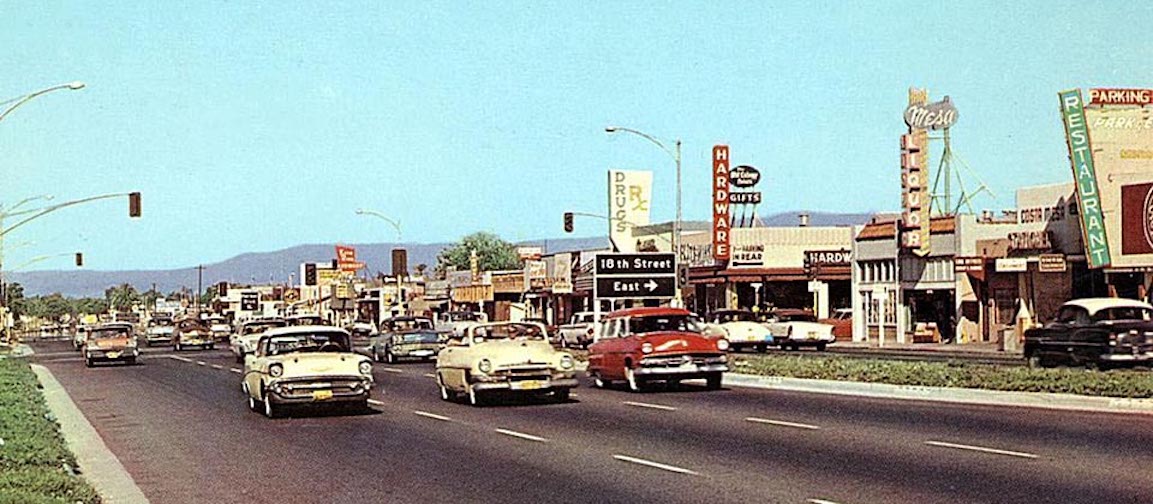
You’ll hear stories like Charles TeWinkle, who ran the hardware store with his wife Goldie. Alvin Pinkley discovered their secret Christmas operation by accident during the Depression. Pink came down to his drug store the day before Christmas and saw TeWinkle’s three-quarter ton truck piled with wrapped packages.
When Pink asked about it, George Healey, who worked for TeWinkle, swore him to secrecy: “This is stuff that I am taking out for them to kids that have no Christmas.” When Healy delivered the gifts, he’d tell families “Someone came in and bought this and told me to deliver it here. It is all paid for.” The kids never knew it was TeWinkle.
Or the five original councilmen in 1953. They needed a city treasury to get started, so each one contributed $20 out of his own pocket. George Coffey ran city operations from a converted garage for 18 months, bartering for supplies and borrowing equipment when the budget wouldn’t stretch.
When the big 1933 earthquake hit, Edna Gibson was in the kitchen when everything started shaking. Her cow got spooked and knocked her husband over while he was milking. The piano slid into the middle of the front room. But her daughter managed to run home from the church dinner with a chocolate cake that never even lost its frosting.
During the 1938 flood, everything between Costa Mesa and Huntington Beach turned into “one big sheet of water,” as several people described it. Houses floated down the Santa Ana River. But by 1939, the community had organized the Scarecrow Festival that drew 20,000 people and even made it into Look Magazine. Howard Kanagy built a “talking scarecrow” that plugged Costa Mesa to anyone who’d listen.
These aren’t just feel-good stories. They’re honest accounts of how things actually worked, problems and all. Norma Hertzog, who became the first woman elected to city council in 1973, had to deal with the old boys network head-on. As she recalled, “We had a first few months of kind of standing back and looking at one another and figuring out if it was fact and would it work.” The existing council members weren’t sure what to make of having a woman colleague with different ideas about government’s role. But she did her homework and eventually they learned to work together.
When families had to leave during the Depression because they couldn’t make it, nobody pretended otherwise.
Some ventures failed. Some people had to leave town. Some business ideas didn’t work out. But the community figured out ways to help people who wanted to stay and contribute.
Mary Ellen Goddard knew what she was doing when she asked these people to talk. She got them to relax and tell the whole story—the problems along with the solutions, the failures along with the successes.
What you hear in these interviews isn’t a neat civic success story. It’s the real process of how a place becomes a community.
The complete 1978 Costa Mesa Oral History Collection is available for research in our archives by appointment.
These 45 voices span everything from Arthur Morris lighting tumbleweeds for heat in 1917 to the city leaders who negotiated with the Segerstrom’s to build South Coast Plaza in the 1960s.
If you want to understand how Costa Mesa got built, these people will tell you. In their own words, with all the complexity and contradictions that make real history come alive. This is how a place gets built—one story, one family, one decision at a time.